
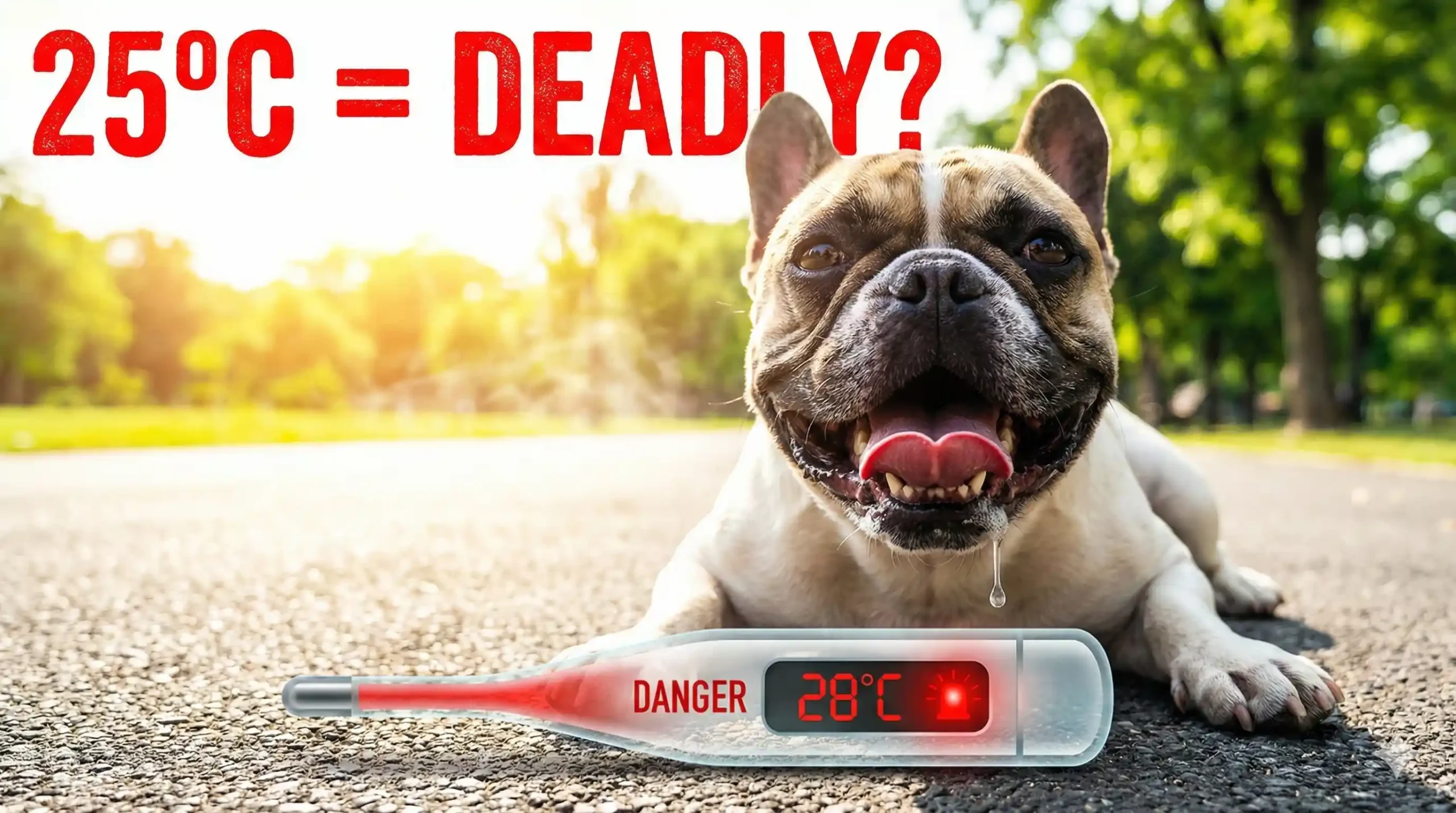
It happens every year. A loving owner takes their Frenchie for a walk. It’s a sunny day, maybe 25°C (77°F). It doesn’t feel “too hot” to the human.
Twenty minutes later, the dog collapses. The owner rushes to the vet, but it’s too late.
And then comes the second shock: The insurance company denies the $4,000 emergency claim.
Why? Because many insurers classify heatstroke in flat-faced dogs not as an accident, but as “Owner Negligence.”
If you own a Pug, Frenchie, or Bulldog, the rules of summer are different for you. Here is why the “25-Degree Rule” saves lives—and how to ensure your policy actually covers you if the worst happens.
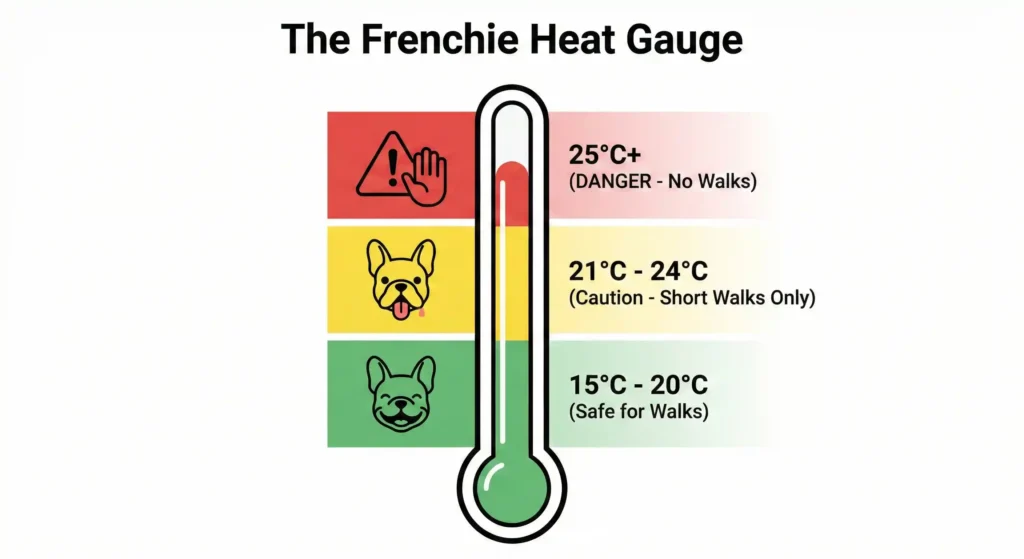
Why 25°C (77°F) is the Danger Zone
Most dogs cool down by panting. They circulate air over their long tongues and snouts to lower their body temperature.
Flat-faced dogs cannot do this effectively.
Because of their short airways (brachycephalic syndrome), panting actually generates more heat in their throat than it releases. It’s like trying to cool down a car engine by revving it.
Once the outside temperature hits 25°C (77°F), a Frenchie’s body struggles to cool down naturally. If humidity is high, that danger zone drops even lower.
The Insurance Trap: “Preventable” vs. “Accidental”
This is where E-E-A-T (Expertise) saves your wallet.
Standard pet insurance covers “Accidents.” But if an adjuster sees that you walked your Bulldog at 2:00 PM in July, they may argue the heatstroke was “Preventable.”
Check your policy for these exclusion terms:
- Negligence: If the insurer proves you didn’t take “reasonable precautions” (like avoiding midday sun), they can deny the claim.
- Breed-Specific Exclusions: Some generic policies exclude heatstroke specifically for Brachycephalic breeds because they are “prone to it.”
- Prior Signs: If your dog has a history of BOAS (breathing issues), heatstroke might be labeled a “complication of a pre-existing condition.”
The Solution:
You need a policy that explicitly covers “Heat Stroke and Heat Exhaustion” without breed restrictions. Companies like Trupanion or Lemonade (check specific states) often have better terms for this, provided you don’t have prior negligence on record.
3 Rules to survive Summer (and Keep Coverage)
1. The “Hand Test” is a Lie
You’ve heard “If the pavement is too hot for your hand, it’s too hot for their paws.”
Ignore this. For a Frenchie, the air temperature kills them before the pavement burns them. Even if the ground is cool, if the air is humid and thick, do not walk them.
2. Walk at Dawn or Dusk
Only walk your flat-faced friend before 8:00 AM or after 8:00 PM. Not only does this save their life, but it also proves to insurance companies (if they check the time of the incident) that you were being a responsible owner.
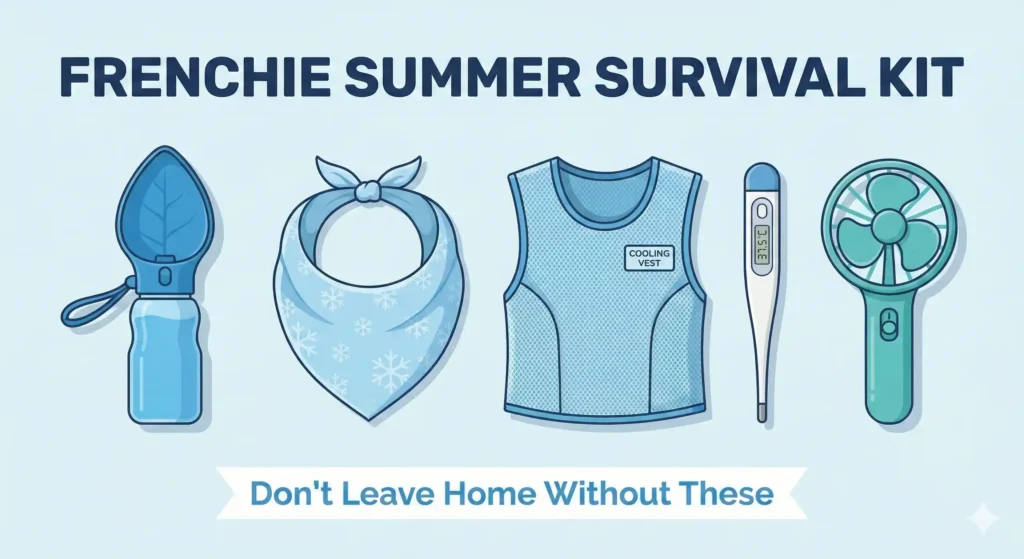
3. Carry a “Cool Down Kit”
If you are going out, never leave without these essentials.
What to Do If They Overheat (Emergency Protocol)
If your dog starts stumbling, vomiting, or has dark red gums:
- Stop immediately. Carry them.
- Cool, don’t freeze. Pour tepid (lukewarm) water on their paws and belly. Do NOT use ice water—it shocks the body and constricts blood vessels, trapping heat inside.
- Get to the vet. Even if they seem better, internal organ damage can happen hours later.
Conclusion: Love Means Knowing When to Stay In
We know you want to take your Frenchie everywhere. But in the summer, the kindest thing you can do is leave them in the AC.
Don’t let a sunny afternoon turn into a tragedy. Review your insurance policy today for “Heat Stroke Coverage” and stick to the 25-degree rule.
Does your current policy cover heatstroke? Check our [Comparison Tool] to find out.
Frequently Asked Questions (FAQs)
-
Can I use a cooling vest instead of skipping the walk?
Cooling vests help, but they are not magic. In high humidity, they lose effectiveness. If it is over 28°C, a vest will not save a Frenchie from overheating. Stay inside.
-
Does pet insurance cover heatstroke?
Most “Accident & Illness” plans do, but read the fine print. If the insurer decides you were “negligent” (e.g., leaving the dog in a car or walking in a heatwave), they can deny the claim.
-
What are the first signs of heatstroke in Pugs?
Heavy/loud panting that sounds like “roaring,” excessive drooling, dark red or purple tongue/gums, and confusion or wobbling while walking.